Categories
Coliving in Los Angeles Koreatown

Is Koreatown a Good Place for Coliving in LA? (2026 Guide)

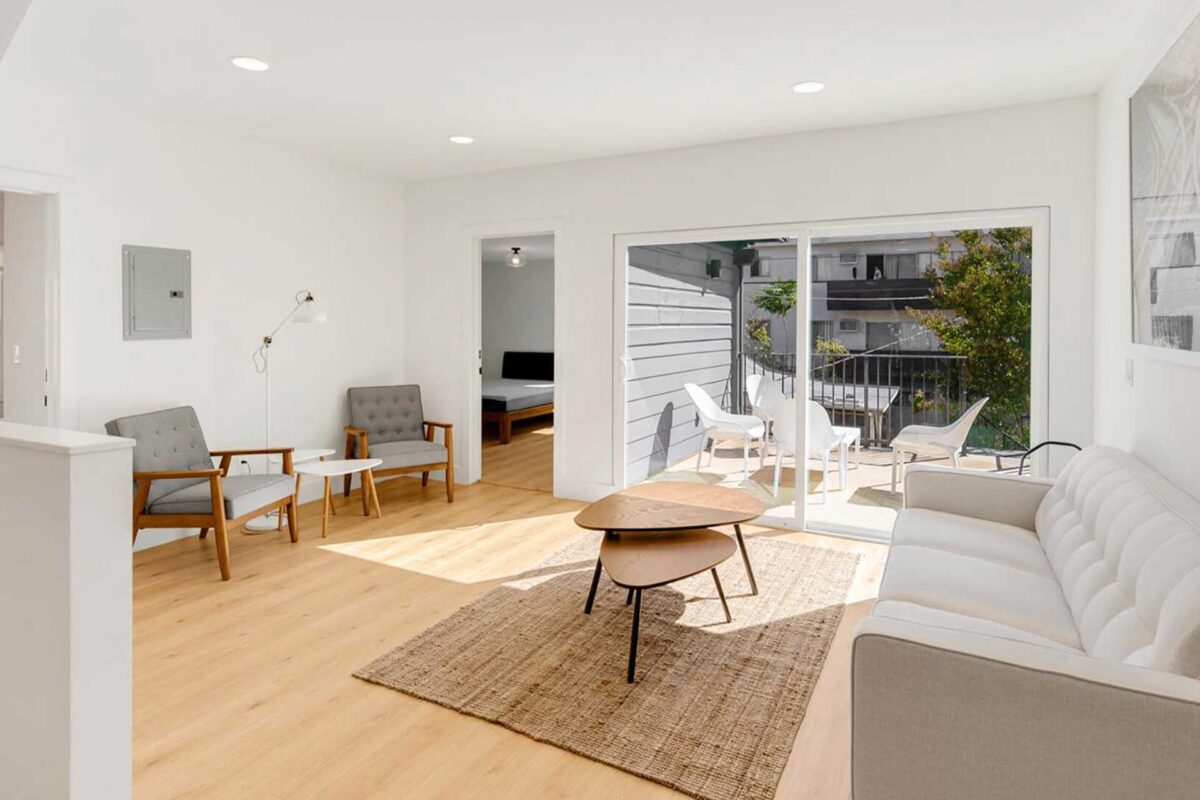
Koreatown, Los Angeles — often called K-Town — has become one of the most popular neighborhoods for renters, students, professionals, and digital nomads looking for affordable coliving in Los Angeles. With its central location, vibrant culture, walkability, and access to transit, Koreatown is increasingly seen as a top destination for shared housing in LA.

But is Koreatown truly a good place for coliving?
In this guide, we’ll explore housing costs, lifestyle, transportation, safety, amenities, and why Koreatown is one of the best neighborhoods for coliving in LA — especially with flexible housing providers like COHAUS.

Why Koreatown Is Popular for Coliving in Los Angeles

Koreatown sits just west of Downtown LA and offers one of the highest residential densities in the city — making it perfect for urban coliving communities.

Key Reasons People Choose Koreatown Coliving:

  • Central location between Downtown, Hollywood, and Mid-Wilshire
  • Lower rent compared to West LA and Santa Monica
  • Excellent public transit access
  • Diverse dining, nightlife, and cultural experiences
  • Strong demand for short-term housing in Los Angeles

For renters seeking affordable furnished rooms, flexible lease apartments, or community-based housing, Koreatown checks all the boxes.

Is Koreatown Affordable for Coliving?

One of Koreatown’s biggest advantages is affordability compared to other LA neighborhoods.

AreaStudio RentShared Housing
Santa Monica$2,600+$1,600+
West Hollywood$2,400+$1,500+
Koreatown$1,700–$1,950$950–$1,250

This makes Koreatown ideal for:

  • Students
  • Remote workers
  • Young professionals
  • Interns and new residents to LA

With providers like COHAUS coliving Los Angeles, residents get fully furnished rooms, utilities included, fast Wi-Fi, and flexible lease terms — without paying premium Westside rents.

Walkability, Transit & Commute Convenience

Koreatown consistently ranks among the most walkable neighborhoods in Los Angeles.

Transportation Benefits:

  • Served by Metro Purple Line and Red Line
  • Easy commute to Downtown LA, Hollywood, USC, UCLA Extension, and Mid-Wilshire
  • Bike lanes and bus routes throughout
  • Minimal car dependency

This makes Koreatown perfect for residents searching for:

  • Transit-friendly housing in LA
  • Car-free urban living
  • Short commute apartments near Downtown LA

Coliving residents benefit especially from this central connectivity, reducing transportation costs and improving work-life balance.

Is Koreatown Safe for Coliving?

Safety varies by street, but Koreatown has seen steady improvements with increased residential development and mixed-use spaces.

Most coliving properties in Koreatown prioritize:

  • Secure access systems
  • Well-lit entrances
  • Professional management
  • Community guidelines

COHAUS, for example, offers professionally managed coliving communities designed for safety, privacy, and comfort — especially for young professionals and students.

Lifestyle, Dining & Entertainment

Koreatown is one of the most culturally rich neighborhoods in Los Angeles, making it ideal for community-based living experiences.

Lifestyle Highlights:

  • World-famous Korean BBQ and late-night dining
  • Cafés, coworking spaces, karaoke lounges
  • Movie theaters, music venues, and nightlife
  • Grocery stores, fitness studios, and wellness centers
  • Parks like MacArthur Park and nearby outdoor spaces

This walkable, social environment complements the coliving lifestyle, where residents value connection, convenience, and experiences — not just square footage.

Why Koreatown Works So Well for Coliving

Koreatown naturally supports the shared living model because of:

  • High residential density
  • Strong transit access
  • Diverse renter population
  • Demand for furnished rooms and short-term housing
  • Community-focused lifestyle

Who Should Choose Koreatown Coliving?

Koreatown is ideal if you are:

Students

Close to USC, LA Trade Tech, UCLA Extension, and community colleges.

Remote Workers & Digital Nomads

Fast internet, coworking cafés, flexible leases, and central location.

Young Professionals

Short commute to Downtown, Hollywood, Mid-Wilshire, and West LA.

Newcomers to LA

Easy neighborhood to explore the city without long commutes or high rent.

Why COHAUS Is a Top Choice for Coliving in Koreatown

COHAUS offers thoughtfully designed coliving spaces in Los Angeles, including prime Koreatown locations, with:

  • Fully furnished private rooms
  • Utilities & high-speed Wi-Fi included
  • Flexible lease options
  • Move-in ready apartments
  • Community-focused environments

Professional property management

Unlike traditional apartments, COHAUS removes:

❌ Long-term leases
❌ Furniture costs
❌ Setup fees
❌ Utility hassles

Is Koreatown Better Than Other Coliving Neighborhoods in LA?

NeighborhoodColiving FitRent LevelTransit AccessWalkability
Koreatown⭐⭐⭐⭐⭐Low–MidExcellentVery High
Downtown LA⭐⭐⭐⭐Mid–HighExcellentHigh
Hollywood⭐⭐⭐⭐Mid–HighGoodMedium
Culver City⭐⭐⭐HighGoodMedium
Santa Monica⭐⭐Very HighLimitedMedium

Koreatown consistently ranks as one of the best neighborhoods for coliving in Los Angeles due to its balance of affordability, connectivity, and lifestyle.

Frequently Asked Questions About Koreatown Coliving

Is Koreatown a good place to live in LA?

Yes. Koreatown is one of LA’s most central, walkable, and affordable neighborhoods, making it ideal for renters, students, and professionals.

Is Koreatown safe for renters?

Safety varies by block, but most professionally managed coliving properties provide secure access and community standards that enhance safety.

How much does coliving cost in Koreatown?

Coliving in Koreatown typically ranges from $950 to $1,300/month, depending on room type and amenities — significantly cheaper than private apartments.

Is Koreatown good for short-term stays?

Yes. Koreatown is one of the best neighborhoods for short-term furnished housing in Los Angeles, especially for interns, relocations, and digital nomads.

Does Koreatown have good public transportation?

Absolutely. Koreatown is served by multiple Metro lines and bus routes, making it one of the best transit-connected areas in LA.

Final Verdict: Is Koreatown a Good Place for Coliving?

Yes — Koreatown is one of the best neighborhoods in Los Angeles for coliving.

It offers:
✔ Affordable housing
✔ Central location
✔ Excellent public transit
✔ Walkable streets
✔ Vibrant lifestyle
✔ Strong community feel

When combined with flexible housing providers like COHAUS, Koreatown becomes an unbeatable option for anyone seeking modern, community-driven living in LA — without sacrificing convenience or comfort.

Categories
Coliving in Los Angeles Coliving Spaces

Why LA Residents Are Switching to Coliving for Flexible, Affordable Living

Los Angeles has always been a city full of energy, creativity, and opportunity. But it’s also a place where finding the right living situation can feel overwhelming. High rents, long commutes, and limited community connection often make traditional housing feel stressful for many people.

That’s why more LA residents are now choosing coliving in Los Angeles as a smarter, more flexible, and more community-driven option. And it’s not just about saving money—it’s about building real connections and living closer to the best parts of the city without sacrificing comfort.

Learn how coliving makes it easier for people to grow their careers, meet new people, and stay connected to LA’s most convenient neighborhoods—without the stress of traditional renting.

1. A Supportive Community That Helps You Grow Professionally

One of the biggest problems many people face in LA is isolation. Even though the city is full of talent, meeting like-minded people isn’t always easy—especially when everyone is busy with their own routines.

Coliving changes this.

When you live in a community-focused environment, you naturally meet people who are working on exciting things—entrepreneurs, designers, creators, engineers, freelancers, and remote workers. These connections can lead to:

  • New collaborations
  • Professional guidance
  • Skill-sharing
  • Job opportunities
  • Creative partnerships
  • Networking without pressure

Instead of forcing yourself to attend networking events or industry meetups, the people you live with become a natural support system. You share ideas over coffee, brainstorm casually in common areas, and build relationships that help you grow both personally and professionally.

Many COHAUS residents say that the friendships and connections they build at home end up becoming the most valuable part of their LA experience.

2. A Space That Encourages Creativity and Productivity

With the rise of remote and hybrid work, people need living spaces that support productivity—not distract from it.

COHAUS setups include:

  • Comfortable and quiet shared workspaces
  • Fast internet
  • Quiet areas for focus
  • Furnished common areas for socializing
  • A great balance of privacy and community
  • Full laundry facility
  • Fully stocked kitchen, ready to use
  • Beautiful outdoor spaces

This makes it easier to stay motivated and produce your best work, whether you’re building a startup, freelancing, or working remotely for a company.

Instead of feeling isolated in a studio apartment, you get an environment where people encourage each other to grow.

You don’t have to worry about buying furniture, splitting bills, setting up Wi-Fi, or searching for roommates. Everything is already arranged so you can focus on living your life.

3. Access to Popular LA Neighborhoods Without the Costly Rent

One of the top reasons people switch to affordable living options like COHAUS is location. Living close to the heart of Los Angeles is expensive, and many people end up moving far away just to save money.

COHAUS flips that challenge.

You can live in walkable, vibrant areas like:

  • Highland Park
  • Hollywood
  • Downtown LA
  • Larchmont
  • Beverly Hills
  • Santa Monica
  • Culver City
  • Westwood
  • Koreatown
  • West Adams
  • USC
  • UCLA
  • Mid-City

…without paying the traditional high rental prices of those neighborhoods.

This means you’re closer to:

  • Cafes and coworking spots
  • Metro lines
  • Gyms and parks
  • Grocery stores
  • Great restaurants and nightlife
  • Creative and tech hubs
  • Community events

Less commuting = more time for yourself, your career, and your social life.

4. A Social Life That Feels Natural, Not Forced

Living in LA can sometimes feel lonely—even when you’re surrounded by people.

Coliving gives you a built-in group of friends who share spaces, cook meals, explore neighborhoods, and participate in community activities together. It creates a relaxed, friendly environment where you feel at home from day one.

People choose this lifestyle because:

  • It feels supportive
  • It reduces loneliness
  • It helps build real friendships
  • It keeps life fun and social

This combination of social connection, flexibility, and affordability is exactly why coliving is becoming the top choice for many LA residents.

Conclusion

Coliving in Los Angeles isn’t just an affordable alternative—it’s a lifestyle built around community, opportunity, and easy access to the city’s best neighborhoods. From career growth to meaningful friendships to living closer to where you want to be, coliving offers the balance many people struggle to find in LA.

If you’re looking for a flexible, affordable living option that helps you grow personally and professionally, coliving may be the perfect fit.

Ready to Experience COHAUS?

At COHAUS, we create thoughtfully designed coliving spaces in vibrant Los Angeles neighborhoods. Whether you’re new to the city, building your career, or simply looking for a more connected way of living, we’re here to help you feel at home.

👉 Explore available rooms, learn how coliving works, and start your LA chapter with COHAUS today.

Categories
Coliving Spaces Los Angeles

COHAUS – An Affordable Housing Alternative in Los Angeles: Why Co-Living Is the New Trend

Los Angeles is one of the most exciting cities to live in, but it’s also one of the most expensive. Rising rents, limited space, and high move-in costs have made traditional apartment living difficult for many residents. Because of this, people are now looking for affordable housing alternatives in Los Angeles, and one option is becoming more popular than ever — COHAUS!

In this blog, you will learn what co-living is, why it’s growing fast in big cities like Los Angeles, and how it provides a budget-friendly and community-driven lifestyle.

What Is Co-Living?

Co-living is a modern housing style where people live in a shared home but still get their own private space, such as a bedroom or suite. You enjoy privacy, but you also have access to shared spaces like a kitchen, lounge, co-working area, and sometimes even gym facilities.

In simple words, co-living is like living with roommates, but more organized, more comfortable, and designed for community living.

Co-living at COHAUS includes:

● Fully furnished Bedrooms with private en-suite bathroom
● 6 or 12 month lease terms available
● All utilities included
● High-speed Wi-Fi included
● Weekly Professional cleaning service
● Community events
● Provided common area cleaning supplies
● Laundry facilities
● Large fully stocked kitchen with multiple available appliances
● Multiple furnished common area spaces
● Networking opportunities

This makes it a great option for people who want comfort, convenience, and affordability — all in one place.

Why Co-Living Is Growing Fast in Los Angeles

1. High Rent Costs

Los Angeles rental prices continue to rise every year. Many young professionals, creatives, students, and remote workers look for better value alternatives.

Coliving in Los Angeles offers an  affordable fixed monthly cost that still allows for tenants to have a lot of space and amenities with all utilities included.

2. Flexible Lifestyle

Traditional apartments typically require a minimum of 12 month leases,  very little flexibility on moving timeline and additional utilities and furniture. COHAUS allows:

● 6 month lease terms
● Move-in ready rooms including furnishings if desired
● flexible move-in availability
● No utility bills
● Fully stocked Kitchen space with supplies, appliances and designated personal fridge/freezer/cabinet space.
● Laundry Facility with high quality appliances

This is perfect for people who relocate for work, travel often, or simply want more flexibility.

3. Built-In Community

Living alone in a big city can feel isolating. COHAUS spaces are built to help people connect. You meet people from different backgrounds, share meals, collaborate on projects, and enjoy community events.

It’s a home that feels social, supportive, and welcoming.

4. Better Amenities for Less

At COHAUS, you have access to:

● Modern kitchens, fully stocked with cooking ware, appliances, cleaning supplies and personal designated spaces.
● Fully furnished outdoor spaces designated to socialize with others
● Co-working/work from home areas
● Weekly common area cleaning service
● High-speed Wi-Fi
● Lounges and community TV corners

Getting all this in a private apartment would be  very expensive in Los Angeles and a poor price/value return

Who Should Consider Co-Living in Los Angeles?

Co-living works well for:

● Young professionals
● Remote workers
● Digital nomads
● Students
● Entrepreneurs
● Creatives and artists
● Anyone new to LA
● Anyone who enjoys and appreciates an active community

If you want affordability, convenience, and community, COHAUS is a perfect fit.

Why COHAUS Is a Smart Housing Choice

COHAUS solves many of the challenges people face in Los Angeles:

✔ Lower cost of living
✔ flexible lease terms
✔ A social and supportive environment
✔ Access to shared amenities
✔ A more comfortable and modern lifestyle

It’s not just a housing alternative — it’s a growing movement.

Conclusion

Los Angeles may be known for high rent and limited space, but co-living offers a practical, affordable, and community-driven solution. Whether you’re new to the city or looking for a better living experience, co-living is a trend that’s here to stay.

Looking for a modern and affordable place to live in Los Angeles? COHAUS offers beautifully designed co-living spaces with private rooms, community areas, flexible leases, and all-inclusive pricing. Experience comfort, connection, and a lifestyle built for today’s way of living.

Explore COHAUS and find your perfect co-living home today.

Categories
Coliving for remote workers Coliving Spaces

Why Coliving Is Becoming So Popular for Remote Workers

Remote work has changed the way people live, travel, and connect. With more professionals choosing flexible lifestyles, coliving spaces are becoming one of the fastest-growing housing options. Cities like Los Angeles are seeing a major rise in Coliving Los Angeles communities because they offer convenience, affordability, and a built-in community that remote workers often miss.

Here’s why coliving is becoming so popular and perfectly suited for today’s remote workforce.

Rising Housing Costs Make Coliving a Smart Choice

Big cities are expensive, especially Los Angeles. Renting a private apartment means paying for rent, utilities, furniture, and long-term leases.

Coliving makes life easier. You get a private bedroom, shared common areas, fast Wi-Fi, and all major utilities included — usually for a much lower price. For remote workers trying to manage expenses, this is a huge advantage.

Built-In Community for People Working Alone

Working from home can feel lonely. Many remote workers struggle with isolation because they don’t get the same social interaction they used to have in an office.

Coliving solves this problem by creating a community where people live, cook, and hang out together. You get instant friends, networking opportunities, and social support—all in one place. That’s a big reason why coliving spaces are so popular among digital nomads and remote professionals.

Flexible Living for a Flexible Lifestyle

We understand remote workers require flexibility—COHAUS offers flexible lease teams and move-in dates.

COHAUS offers:

  •  Flexible lease terms
  • Flexible move-in timeline
  • Easy move-ins (fully furnished rooms with private en-suite bathroom)
  • No need to buy furniture or set up utilities

This flexibility matches the lifestyle of remote workers who may change cities, travel for months, or simply want more freedom.

Productive Environments Designed for Remote Work

COHAUS spaces are built specifically for people who work from home. They include:

  • Quiet coworking areas and workspaces
  • High-speed internet
  • Supplied desk and chair for the bedrooms

This makes it easier to stay productive without needing to work from noisy cafés or small apartments.

Better Work-Life Balance

One of the biggest advantages of coliving is how it improves the balance between work and personal life.

Remote workers can easily:

  • Join group activities
  • Participate in community events
  • Share meals
  • Explore the city with roommates

This helps reduce stress and creates a healthier, more enjoyable lifestyle.

Coliving Los Angeles Is Perfect for Remote Workers

Los Angeles attracts entrepreneurs, creators, and tech professionals. With the rise of remote work, many people are choosing Coliving Los Angeles because it offers:

  • Affordable living in a high-cost city
  • Access to beaches, entertainment, and culture
  • A strong community of like-minded professionals

For remote workers who want a balanced lifestyle in a vibrant city, coliving is the perfect match.

Conclusion

Coliving is becoming popular among remote workers because it offers the perfect mix of affordability, community, flexibility, and productivity. It provides everything a modern remote professional needs to live comfortably and work efficiently — without the stress of traditional renting.

If you’re looking for modern, flexible, and affordable coliving spaces in Los Angeles, COHAUS offers thoughtfully designed homes built for remote workers. Explore our available coliving rooms and experience a community-focused lifestyle that supports your work and your life. Visit COHAUS today and find your ideal coliving space.

Categories
benefits of coliving Coliving Spaces

Choosing Home: The Contrasts Between Dedicated Coliving and Coliving Apartments

Focus on Community and Collaboration:

Coliving, in broad terms, is about individuals coming together and sharing a living space. However, not all Coliving experiences are created equal. Dedicated Coliving units are typically much larger than the average apartment and thus house anywhere from 10-20 individuals. As a result, these large Coliving spaces place a strong emphasis on community building and collaboration. It aims to create a sense of belonging and encourages residents to actively engage with one another through shared activities, events, and common spaces. In fact, some operators even offer curated experiences and community-building initiatives to foster a strong sense of belonging and connection amongst the community members. Sharing of apartments, on the other hand, typically house no more than 4-6 individuals together. The primary benefit of Coliving is shared expenses rather than intentional community-building. Housemates often come together to split the costs of rent, utilities and household expenses. While they may develop friendships and share in some activities, the level of community and collaboration is usually less involved in comparison to a dedicated Coliving operation. For example, in a Coliving home, a potential new member will first be introduced to the rest of the house in order to determine how everyone interacts with one another. Most apartment shares, however, do not allow current residents to vet or even meet interested renters until a lease has already been signed. Rather than build community, this more often than not, leads to discord and resentment between residents.

Amenities and Services:

Coliving spaces often provide additional amenities and services designed to enhance the living experience. These includes furnished rooms, shared workspaces, social areas, housekeeping services, and organized social events, to name a few. The goal is to create a convenient and comfortable environment that supports the residents’ lifestyle and promotes social interaction.

Typically, a shared apartment generally involves renting rooms in a regular residential property where amenities and services are not typically provided. Housemates typically share basic household bills, chores and responsibilities, without the additional perks or organized events.

Flexibility and Ease of Expenses:

When living with housemates, it’s common to commit to longer lease terms, typically a year or more, pooling resources to rent a residential property collectively. While this arrangement is straightforward, it introduces complexities around each housemate’s financial responsibilities. Shared leases and utilities require careful coordination to ensure everyone meets their financial obligations, as any lapse could adversely affect the entire household. Monthly expenses need to be meticulously calculated and divided among all occupants. Moreover, when a housemate decides to move out, the remaining tenants not only need to find a replacement but also bear the financial burden of one less roommate until a suitable replacement is secured.

In comparison, Coliving spaces often offer flexible lease terms, typically either 6 or 12 months, allowing individuals to rent a room or unit for shorter periods of time. This flexibility caters to those who prefer a temporary living arrangement or are in need of a transitional residence. The advantage lies in having an individual lease for your specific room or unit, eliminating the need to rely on others for lease termination or extension. In dedicated Coliving, each tenant has a separate lease agreement, ensuring accountability for their own actions.

For a smoother living experience, consider opting for a Coliving operator with an all-inclusive rent, sparing residents the complexities of splitting utility bills among multiple individuals.

Curated Experience:

Coliving spaces are often designed and curated with a specific target demographic or lifestyle in mind. They may cater to young professionals, digital nomads, or specific interest groups. The spaces are carefully crafted to foster a particular atmosphere and promote the values and interests of the community in residence. Shared apartments, on the other hand, can be more diverse in terms of the backgrounds, lifestyles, and interests of the individuals involved. Housemates may not necessarily share the same type of lifestyle but still come together based on shared estate agent contacts, mutual friends, or simply for the economic purpose of cost-sharing. Whether it be an apartment or dedicated Coliving, make sure the operator allows you to meet the individuals you will be living with.

In summary, Coliving places a stronger emphasis on community, provides additional amenities and services, offers flexible lease terms, and often caters to a specific target demographic. Living with housemates in a rented home is more focused on shared expenses and convenience, with less structured community-building and curated experiences. Both options have their own advantages and should be chosen based on individual preferences and needs.

Categories
Coliving Spaces Types of coliving

Cracking the Co-Living Code: A Guide to Crafting Your Perfect Shared Space

Coliving, a contemporary housing concept emphasizing community, collaboration, and shared spaces, has gained immense popularity in recent years. This innovative approach offers numerous Coliving benefits, including cost-sharing, social interaction, and convenience. However, for potential renters, the idea of Coliving can be intimidating. In this blog post, we’ll explore common concerns associated with Coliving and discover how operators are tackling these challenges to ensure a harmonious and fulfilling Coliving experience.

Communication and Boundaries:

Living with multiple individuals in close proximity can sometimes lead to miscommunication and clashes if expectations and boundaries are not clearly defined. To overcome these challenges-

House Rules:

A well-organized Coliving operator provides guidelines on noise levels, shared responsibilities, cleaning schedules, and personal space boundaries. All household members, along with the on-site manager, should uphold these rules to ensure everyone’s needs are considered and respected.

Establish quiet hours:

Any multi- dweller home should have quiet hours set in place. This is essential in order to accommodate different schedules and ensure everyone’s sleep and rest needs are met.

Regular house meetings:

Conduct periodic meetings amongst members of the household to address concerns, resolve conflicts, and emphasize the importance of open communication. This fosters a sense of community and gives everyone a platform to voice their opinions and suggestions with the group.

Utilize communication tools:

Social media platforms or communication apps facilitate communication amongst housemates, ensuring critical information and updates are easily accessible to all.

Melting pot of cultural diversity:

Different types of Coliving often brings together individuals with diverse backgrounds, lifestyles and habits. Although Coliving places a strong emphasis on inclusivity of all people, these differences can sometimes lead to friction and conflicts. Here’s how to navigate this path-

Embrace diversity and respect:

Encourage an inclusive and respectful environment where individuals appreciate each other’s differences. Promote understanding and involvement by organizing activities that inspire cultural exchange and celebrate diversity.

Find common ground:

Coliving properties can initiate or sponsor shared activities and events that cater to the interests of all residents. This helps form bonds, create shared experiences, and build a sense of belonging and connection.

Privacy and Personal Space:

Maintaining a healthy balance between communal living and personal space is essential. Occupants are encouraged to communicate their privacy needs as well as respect everyone else’s. This ensures that each individual understands the other’s expectations of personal space and downtime.

Maintenance and Housekeeping:

All communal spaces demand regular maintenance and upkeep. Neglecting these responsibilities can strain relationships and impact the overall living experience. Here are ways on ensuring this doesn’t get in the way-

Housekeeping service:

Engage operators who provide professional housekeeping services for bathrooms and common areas. This alleviates the burden of shared cleaning responsibilities and ensures a high standard of cleanliness.

Foster a culture of cleanliness:

Encourage cleanliness and tidiness by setting an example. Some operators implement a system for regular cleaning of shared spaces, ensuring that everyone contributes to a clean common space. Formalizing this cleaning routine will not only ensure that the space stays tidy, but also that everyone is contributing in doing so.

Conclusion:

Coliving can be a rewarding and enriching experience when the challenges it presents are effectively addressed. By encouraging open communication, embracing diversity, setting clear boundaries, and promoting a culture of respect, operators can create a harmonious living environment for tenants where everyone feels valued and respected. By implementing the strategies outlined in this blog post, typical Coliving challenges can easily be resolved and everyone can enjoy the benefits that this innovative and affordable housing concept has to offer.

Categories
Coliving Spaces

COHAUS gave you buddies. Now it’s time to explore Los Angeles!

Sunny California is often synonymous with Los Angeles, the City of Angels. The most populous city in California, LA is a melting pot of cultures, lifestyles, professions, food, fashion, and trends. It is no doubt, one of the best places to live on the West Coast, and we’re sure its population of 4 million will vouch for it. Los Angeles is one of the most vibrant cities in the world, with an endless array of things to see and do.

Given its top-rated restaurants, museums, entertainment, nightlife, and, of course, several world-class theme parks, it is clear why this city is a magnet.  Whether you’re a native Angeleno or a recent implant in the city, there’s always something new to discover. And where better to build a community of friends to experience all that LA has to offer than literally ‘in-house’. Welcome to Coliving in Los Angeles. Live Life Fully… and here’s a list of things you MUST do while you’re at it!

Go on a star tour.

Drive by the homes of your favorite celebrities, the most luxurious estates, and the most prestigious neighborhoods.  With unique access to movie studios, film sets and historic theaters, it’s the perfect place to fulfill all your Hollywood dreams. No LA photo album is complete without a semi-awkward snapshot of yourself squatting next to your celebrity crush brass star on Hollywood Blvd.If you’re looking for the Beatles, Mickey Mouse or Ryan Reynolds, visit the Star Directory on the official Hollywood Walk of Fame website.

Explore beach communities.

The Pacific shoreline is endless. Watch migratory whales and gorgeous sunsets anywhere from the cliffs at Palos Verdes to the northern Malibu shores. Wade in tidal pools or ride the rollercoaster at the touristy Santa Monica Pier, there’s something for everyone!

Griffith Park

It is one of the largest municipal parks in the country, spanning over 4200 acres. You can go horse riding, trek down to the iconic Hollywood sign, set up a picnic in one of many wayside parks, watch a show at the Greek Theatre or feed flamingos at the zoo. Tour Travel Town, a historic steam train museum constructed to commemorate South California’s railway expansion, or just check out the Los Angeles skyline from the parking lot of Los Angeles’ entryway to the Milky Way, the Griffith Observatory. The park’s crown jewel is undoubtedly the Art Deco Griffith Observatory, which is free to view but requires an entry ticket to the planetarium. Exhibits at The Wilder Hall of the Eye show how people’s perception of the sky has evolved over time. Learn how mythology and scientific theories intersect and feel our connection to the limitless cosmos.

Museums galore.

You’ve been to every Natural History museum, every MOMA, and seen every species puffed and stuffed. We get it. But here are a few more to check off your list- the Richard Nixon Library and Museum, La Brea Tarpits, Norton Simon, Petersen Automotive Museum, The Getty, LACMA, the Huntington Library and Art Museum, Academy Museum of motion pictures (Cinephiles, rejoice: The Academy Museum of Motion Pictures is just what its name implies: a museum dedicated to motion pictures throughout the ages), the Broad, Autry. Go back in time to the Japanese American National Museum. Learn about Mexican- American history at LA Plaza de Cultura y Artes.

Let us know which one’s your favorite, and interestingly, there’s a guide to museum etiquette. Don’t forget to check reciprocal benefits if you have a membership even in another state.

Go on a gastronomical tour.

Find those sushi gems in Little Tokyo. Prepare to wait an hour at Sushi Gen and grab a drink next door while you do so. Hit up K-town for Korean bbq, BTS’s fav restaurants, or just soju and 4am karaoke. Belly dancing and koobideh at some of the finest Persian restaurants. It’s not Tehrangeles without good reason! Take a photo with Bruce Lee as you chow down on freshly made dumplings in Chinatown. Then there’s Thai town where Thai Elvis has left his mark. Don’t miss little Armenia next door. Olvera street, for street tacos and adobe homes that take you back to that quintessential Mexican history moment. When in Little Bangladesh, you’ll find amazing homemade sweets and delicious, albeit spicy, meals at Aladin. Leimert Park Village showcases African- American artistic life and culture. Jazz bars and coffee houses are starting to sound like the perfect ways to spend the weekend!

Your tastebuds will thank you.

Disneyland. Universal Studios.

Need we say more?

And SHOP.

Did we forget to shop? Find your therapy! Take a stroll through this beautiful promenade and side streets. Stop at an art gallery or two, or people-watch with an afternoon libation. The Grove is the original farmer’s market in LA. You may catch sight of a celebrity as you lunch on fresh oysters. Century City is a wonderful indoor/outdoor mall, very festive during the holidays. Walk through the jewelry district, and fashion district, but make sure you have your wits about you! Explore unique neighborhoods like Melrose, Manhattan Beach, Abbot Kinney, Larchmont, Old Town Pasadena, South Coast Plaza, or the Irvine Spectrum in OC.

The opportunities to empty your wallet are endless!

Categories
Coliving Spaces Types of coliving

How can Coliving impact professional and overall wellbeing (social, mental, emotional)?

The global COVID-19 pandemic has accelerated the movement towards Coliving. Coliving is an antidote to isolation, and recent years have highlighted the effects of loneliness that results from quarantine and physical distancing. This is one of the many reasons Coliving continues to gain increasing popularity amongst the urban population.

Coliving provides an alternative to conventional rental options and a solution to housing affordability, a social issue most pronounced in large cities. While many individuals are drawn to Coliving for economic reasons, many also realize the social benefits of living within a community.

Human connection is the strongest connection. Studies have proven that our mental health is enhanced significantly by developing strong relationships with others around us. Nearly every aspect of our lives within human society is based on social relationships, as evidenced by our decisions about our families, friends, workplaces, and our residences.

Coliving is the nexus of community- driven spaces that encourages social contact every day if one chooses to. Therefore, it should not be surprising that communities and, by extension, Coliving provides many advantages for one’s health and well-being. We have closely examined how Coliving affects our emotion and mental well-being, social character and personal development.

Letting Humans Be Social Animals

The notion of Coliving is centered around the sharing of resources, living spaces and lifestyles. Coliving can foster a strong sense of community, leading to increased social support and reduced feelings of loneliness. The unconventional real estate market of Coliving can set the pace for advancing breakthroughs in social impact and in turn, environmental sustainability.

Stronger Social Ties: Living with others in a Coliving arrangement often leads to the development of strong social ties. Residents can share meals, engage in hobbies and activities, and provide emotional support to one another, leading to a sense of belonging and increased social connectedness.

Increased Opportunities for Interaction: Coliving accommodations typically have common areas such as kitchens, living rooms, gardens, patios and recreation rooms which allow for different levels of interaction so residents can engage with one another on a daily basis.

Diverse Community: A multi resident property could potentially attract individuals from a myriad backgrounds, cultures and professions. This diversity can only enrich a person’s exposure to different perspectives and ways of life. A melting pot of people, ideas and life experiences are vital ingredients for the betterment of society.

Shared Experiences: Coliving residents share experiences and create memories together, leading to stronger bonds and a sense of community.

Reduced Loneliness: For lone individuals isolated from their social networks, Coliving provides an instant community of support. As a result, this comfort mitigates feelings of loneliness, isolation or depression.

Overall, Coliving can be a powerful way to build and strengthen community, leading to increased social connectedness, personal growth, and overall wellbeing.

Keeping Humans Sane

The criteria and research established by Well state that “mental health is not just the absence of a mental health issue. Instead, it is a condition of well-being in which people can reach their full potential, handle everyday challenges, do fruitful work, and give back to their community.”

The fundamental concept of shared living is that people are naturally social beings, regardless of age or circumstance. And without that, humans struggle.

Humans have a wide range of problems when their mental health is impaired, including a higher risk of heart disease, memory loss, anxiety, diabetes, joint problems, stress, drug addiction, and in severe cases, suicide. With Coliving, these risks reduce because of the following:

Social Support: Living in a supportive, communicative community can help reduce feelings of loneliness and isolation, leading to improved mental health. By fostering a community of connections and friendships, Coliving Spaces assist people going through life changes and transitioning into new environments.

Increased Social Interaction: Coliving spaces provide opportunities for residents to interact and engage with one another on a daily basis, which can help improve mood and reduce symptoms of depression. They also offer the much needed peace and solitude by way of individual private rooms.

Reduced Financial Stress: Coliving spaces often provide amenities within shared recreation and workspaces, kitchens, common dining areas and patios, reducing the need for residents to own and maintain these items individually.

Improved Physical Health: Coliving spaces often provide opportunities for physical activity, such as shared recreation spaces, and encourage healthy habits, such as sharing meals and engaging in regular exercise. These factors can contribute to improved physical and mental health.

Increased Sense of Belonging: By living in a supportive community, Coliving residents can develop a stronger sense of belonging, leading to improved self-esteem and overall mental health. To feel complete, people require other people. To thrive and live in a healthy environment, individuals must coexist. Life looks a lot more enticing when there are others to interact with.

As per a survey, it was concluded that Coliving spaces increase the quality of life and well-being.

It’s imperative to note that Coliving is not a one-size-fits-all solution and that the impact on mental health can vary depending on the individual and the specific Coliving arrangement. It is important to carefully consider factors such as cost, location, and involvement in the community culture before making a decision to move into a Coliving space.

All in all, a house alone won’t do the trick. Businesses like COHAUS specialize in promoting social awareness whilst providing Coliving opportunities. COHAUS offers different life experiences based on individual property, location and demographic of residents.

Developing them Personally & Professionally

As they say- You are the average of the five people with whom you spend the most time. Coliving offers a distinctive approach to meeting individuals you know share your outlook and interests.

Coliving spaces provide a nurturing environment for both professional and personal growth.

Diverse Community: Coliving spaces often attract a diverse group of people from different backgrounds, cultures, and professions. This diversity provides opportunities to meet new people, exchange ideas, and share contacts within individual networks.

Shared Workspaces: Many Coliving spaces have shared workspaces, providing opportunities for residents to work alongside one another and potentially collaborate on projects.

Social Activities: Coliving spaces often organize social events, such as dinners, movie nights, and outdoor activities, which provide opportunities for residents to get to know one another and build relationships.

Professional Workshops and Conferences: Some Coliving spaces host professional workshops and conferences, providing residents with opportunities to expand their knowledge, connect with experts in their field, and network with potential employers or collaborators.

Alumni Network: By living in a Coliving space, residents can become part of an alumni network, providing them with opportunities to connect with former residents and potentially further their professional goals.

Overall, Coliving can provide residents with increased opportunities to network and make professional connections, leading to personal and professional growth. Tenants of communal living spaces can strengthen their emotional intelligence, spiritual practice, and creativity, among other aspects of personal growth.

Final Notes

In conclusion, Coliving has the potential to positively impact professional and overall wellbeing in several ways. By providing a supportive, communicative community, Coliving can help reduce feelings of loneliness and increase social connectedness. The diverse community, shared amenities, and increased opportunities for interaction can provide residents with opportunities for personal and professional growth, while the simplified billing and maintenance can reduce stress and increase overall convenience. Additionally, Coliving can have a positive impact on mental health by providing social support, reducing stress, and improving physical health. Coliving can be a powerful way to improve both professional and overall wellbeing, providing residents with a supportive, low-maintenance living environment.

If you are searching for shared housing opportunities in Los Angeles… Contact us to find some fully furnished, amazing properties today!

Categories
Coliving Spaces Types of coliving

Types of Coliving

While such forms of Coliving as student housing and senior living have existed for a long time, Coliving spaces today are attracting a wider audience including students, professionals from diverse sectors, and both young and mature adults. As the Coliving market develops, there will be more segmentation in the market as more options will become available to target different Coliving seekers.

The type of Coliving space defines the living environment and consequently the type of resident that is drawn to it. While housing affordability will always be an important consideration for home seekers, other factors are becoming increasingly important such as quality of the living environment, amenities, location and proximity to the workplace, emphasis on safety and wellness, etc. Different types of Coliving spaces offer varying levels of the considerations listed above. Some of the different types of Coliving options are described below:

1. Student & Adult Dormitories

A dorm — short for dormitory — is a place where students or adults live. Bunk beds or pods are rented per person in a shared room. While this style of popular Coliving to students, adult dormitories have started to sprout in cities experiencing escalating housing costs. This high-density living arrangement provides a housing option for adults struggling with rising rents.  Often, multiple residents may share a sleeping quarter, and common areas like the kitchen and work/study areas are shared by many.

A positive result of living in dormitories has shown that students who live in dorms achieve better academic outcomes during their academic careers. This has been attributed to being closer to classes, faculty, and facilities and being more engaged with other students academically. Due to affordability, living in adult dormitories encourages savings. Due to space constraints, it also encourages dorm residents to pursue activities outside the facility. 

Space constraints and high density may lead to issues with noise, privacy, hygiene, and availability of facilities such as laundry and bathrooms. These issues can lead to stressful living and the typical duration of residents in this type of setting is typically shorter than other forms of Coliving.

2. Apartment or House sharing (Informal setup)

An informal apartment or house sharing is commonly defined as two or more people living in an accommodation together. Usually, each person will have his/her own bedroom and certain communal areas such as kitchens, bathrooms, or living rooms will be shared. In some informal house shares, every member of the household is on the lease or rental agreement. While in others, one or two people act as the head of household, keeping their names on the lease while leaving others off. Another house-sharing situation is when an owner (family or individual) rents out rooms available in the household.

Roommates can split rent in many ways from equal divisions or based on room size. This methodology can also apply to other household expenses like internet and utility costs. The members of the household work out a system for chores, kitchen time, and other activities. Since it is informal, there are many ways to go about it, and a lot of coordination is involved. For many people, cost savings is the key reason for house sharing. As the house is shared, members may schedule bathroom and kitchen time to avoid conflicts. This includes parceling out chores in a rotating schedule to make sure the house is kept clean. Some people also enjoy companionship and support. Members of a house share may engage in group activities such as cooking or dining together.

Several issues may come up in informal settings. Issues arise when a roommate is unable or unwilling to pay his/her portion of the bills and when a roommate departs leaving a greater burden on the remaining roommates. Clear arrangements on how to split bills need to be established to avoid conflicts within the household.

3. Single Apartments (formal setup and professionally operated)

While apartments are a common type of traditional rental, Coliving in an apartment setting is attractive to tenants who are seeking affordability and flexibility. Some Coliving operators offer private bedrooms in furnished apartments with shared common areas. This living arrangement is great for students, young professionals or relocating individuals that need more privacy than dormitories. Unlike an informal apartment-sharing situation, this type of professionally operated Coliving space provides the benefit of an operator who will collect payment from all the residents and ensure continuous and smooth operation of the household even when individuals leave or fail to make their payments.

Density depends on the number of rooms available in the apartment. Usually, common areas will include a kitchen and living room. As usual, noise and privacy are factors of consideration for this type of housing unit. While space is limited, there is less density and noise than a dormitory. A sense of community may or may not be met here because apartments typically have few bedrooms, thereby limiting the size of the community.

4. Single Family Home (formal setup and professionally operated)

Professionally operated single-family homes are becoming available as Coliving residences. In this housing environment, common areas are typically larger, outdoor spaces are accessible and larger communities exist. Single-family homes may offer more amenities and features than an apartment setting.

In addition to providing services like housekeeping, a good Coliving operator, like COHAUS, will promote social interaction and encourage community building by hosting events, organizing household activities and even encouraging civic involvement.

Like apartments operated by a Coliving operator, certain aspects are ensured and coordinated for the resident. Monthly rates are typically fixed and inclusive of utilities and other household expenses. This makes monthly budgeting and cashflow management easy for the residents. 

5. Apartment Building

While there are single apartment units available for Coliving, some Coliving operators dedicate entire apartment buildings to communal living. In this type of large Coliving space, the resident may have a variety of unit choices due to the size of the facility.

Large apartment buildings may offer more facilities and overall common area spaces. Since building sizes are large and can accommodate many residents, the downside may be impersonal interaction among community members and difficulty in developing meaningful relationships as one would experience in a large apartment complex where it is impossible to know everyone.

Categories
benefits of coliving Coliving Spaces

Benefits of Coliving

Coliving is a modern form of communal living and lifestyle that has gained much popularity in recent years. Coliving has become a popular alternative to traditional renting of apartments. It appeals to a wide demographic, including young working professionals, digital nomads, freelancers and students. There are many reasons why people are increasingly being drawn toward this type of living arrangement. Sharing of physical space enables sharing of ideas, interests and experiences. The community becomes a positive enabler and the benefits go beyond budget considerations.

Some of the benefits of coliving in Los Angeles are provided below:

Affordability  

Rent is typically the largest monthly expenditure for the average renter and it can represent a disproportionate amount of monthly after-tax income. As cities become more crowded and populations increase, city living is becoming more expensive. Coliving in Los Angeles offers a housing arrangement that can help individuals with their budget and monthly spending. As with other examples of the shared economy, sharing of space leads to meaningful cost savings. While cost savings is an obvious benefit, there are many more benefits that are appealing with coliving. 

Comfort and Convenience 

Moving into a new home can be overwhelming with upfront purchases like furniture and basic supplies in addition to recurring expenditures like utilities and maintenance. Living in a coliving residence run by a good operator can make expense management a lot easier. Coliving residences in Los Angeles typically come furnished and are equipped with basic supplies and amenities. Utilities are also typically covered in the fixed monthly rate and some coliving operators even offer housekeeping services.

Community and Connection

City living can be lonely and making new friends especially in a bustling city environment can be challenging. With a built-in community, coliving can provide instant access to a social network and support group. Through sharing of space and sharing of responsibilities, human connection is unavoidable. Through human connections, friendships are formed, ideas are shared, and diversity is inherent and cherished. Individual contribution to group wellbeing is promoted and an overall sense of belonging naturally occurs in coliving. Being an integral part of a community can lead to better physical health, mental well-being and overall happiness. 

Security and Safety

In addition to physical safeguards like security cameras, lighted pathways and secured entranceways, coliving residences provide safety in numbers. Physical presence of others within the same household can provide emotional and physical security. In the event of emergencies, it can be comforting to know that there are others close by who can help and provide support. A good coliving operator performs background checks on every candidate that will be admitted to the shared living space. There is a feeling of security living with housemates you can trust.  

Practicality and Sustainability

Coliving environments involve higher building density through efficient use of space and sharing of resources among household residents. This housing model leads to less waste and less per capita consumption of water and energy resources. Better utilization of resources and space is common-sense living and more sustainable living. Furthermore, urban coliving residences, which are in close proximity to commercial districts where people work and play, contribute to more efficient mobility – shorter commuting distances and more public transportation options. 

COHAUS is committed to developing and operating high impact living environments where people can live life more fully– sleep better, work more productively, meet interesting people, pursue new interests, inspire and be inspired. 

If any of the points above resonate with you, you may want to consider coliving. If coliving is right for you, then take your time in choosing a coliving operator that will provide a safe and comfortable environment with the right mix of factors that are suitable for you.  Here are some considerations to help you choose the right coliving space to live in Los Angeles.